Morocco is not one climate but four, stacked close together. The month you choose decides whether you are walking Fes at a comfortable pace or hiding from the afternoon, whether the Atlas passes are open, and whether the desert is generous or punishing.
Spring — March to May
The best all-round window, and the one that books out first. The Atlas foothills turn green, almond and then rose blossom come through the valleys, and the desert is warm by day yet cool enough to sleep well at night. Cities sit in the low twenties. If you can only travel once, come now.
Summer — June to August
Marrakech and Fes get genuinely hot — often past 40°C in July — and the Sahara is best treated as a short visit rather than a long stay. This is the season for the coast and the mountains: Essaouira stays breezy all summer, and the High Atlas is at its most walkable. We simply build the itinerary the other way round.
Autumn — September to November
The quiet favourite. The heat breaks, the light turns golden, the date harvest comes in around Erfoud and Rissani, and the crowds thin out. October in particular gives you spring weather with fewer people and slightly better rates.
Winter — December to February
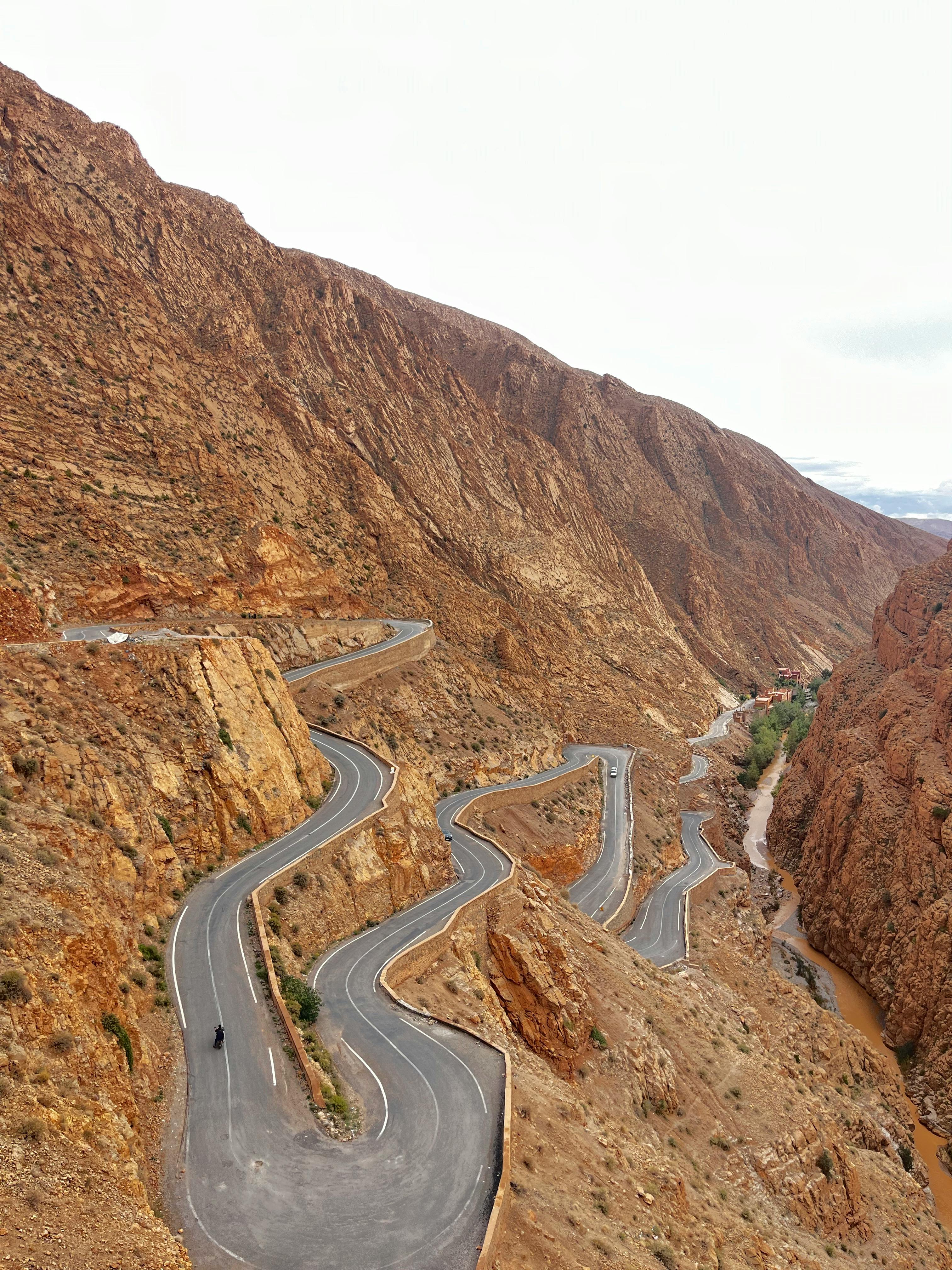
Cold at night, especially in the desert and the mountains, and snow closes some high passes. But the medinas are at their most local, the light is beautiful, and a Sahara camp with a fire and enough blankets is unforgettable. Marrakech stays mild through the day.
Ramadan and festivals
Ramadan moves earlier each year. Travelling then is entirely possible and often moving — evenings come alive at iftar — but some restaurants keep shorter hours. We will always tell you honestly how it affects your dates.
So when should you come?
If you want one answer: April, May or October. For the desert at its best, October to March. For the mountains, June to September. Tell us the weeks you can travel and we will tell you plainly what they will feel like.